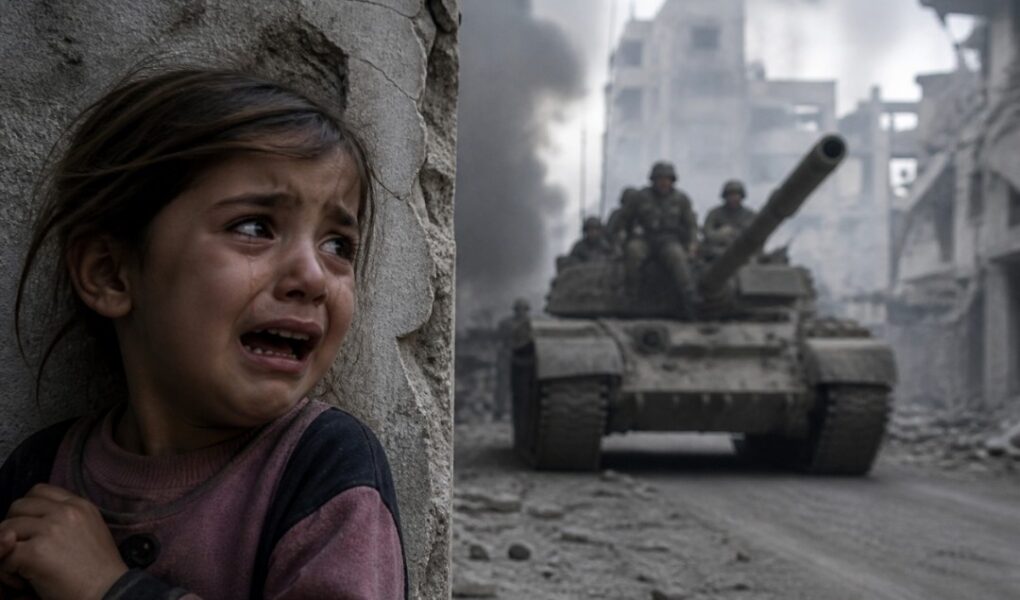
With the world engulfed in conflicts and wars, the question is, does war truly end on the battlefield? No, it doesn’t; its aftermath leaves shattered minds and deep emotional scars, urging people to feel the pain.
Wars alter the narrative, causing an instinctive shift from calm to alertness and from merely living to surviving.
A seven-year-old child endures the horror of an ongoing war, bringing a handkerchief and cotton to plug his mouth and ears in case of emergency, as sirens hoot and he runs to trenches dug on his school grounds. Even a simple mock siren prompts many naive minds to wonder how to interpret the scenario.
I experienced the 1965 and 1971 wars as a child. At school, I didn’t fully understand the importance of the mock drills. I recall giggling with friends while lying in muddy trenches. Later, there was the task of turning off lights and covering windows with black paper during ‘black-outs’. Yet, after the sirens’ sounds during those quiet nights, an even deeper silence took over — filled with fear, stress, uncertainty, and emotional ambiguity. In those brief moments, hope seemed fragile, and emotions remained in limbo.
WHY DO WE GO TO WAR? — Our leaders craft strategies driven by their misplaced pride, inflated egos, and political madness, often neglecting compassion and restraint, and ultimately risking the lives of millions of civilians whose survival depends on choosing peace. They uphold the language of power over the silence of suffering. The most tragic consequence of this chaos, madness, and misjudgment is the price paid by innocent people who never chose to be involved in conflict.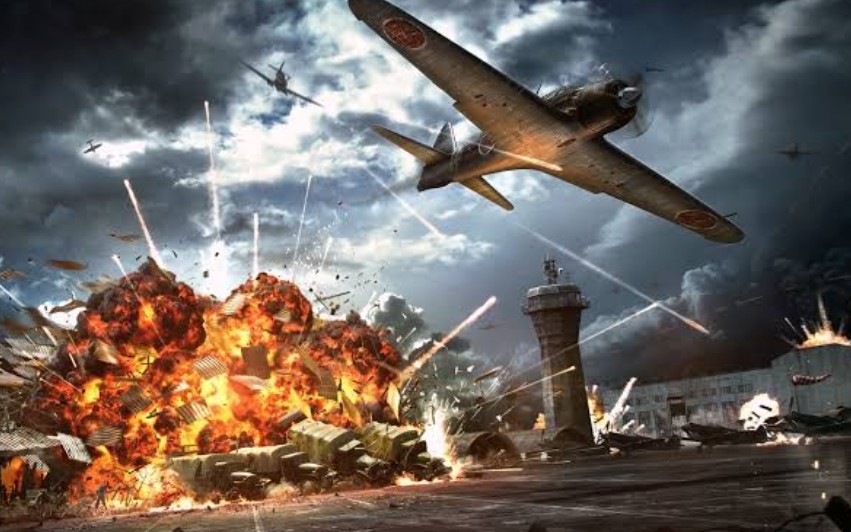
The true battleground is not on the battlefield itself, but in the silent negotiations fought with fear, hope, and a stubborn will to survive. Those invisible sufferings that never become headlines.
Someone rightly quoted – “When power misjudges, it is not the power that bleeds, it is the people.”
Ask those robbed in this trial, and confront the suffering that each Siren causes. A Siren is more than just a sound; it’s a rupture, a piercing reminder of shattered lives and the emotional toll war inflicts, urging us to feel pain and act with compassion.
Wish there was “Someone” —
*To photograph the terrified faces waiting in basements, trembling in corners of unfamiliar rooms, and anxiously awaiting the next Silence. It isn’t because Silence offers peace to their anxious spirits, but because Silence is the only evidence that they are still alive.
* To address the big questions behind the terrified faces – “Will my household still be there? Will the street recall my footsteps? Will my loved ones stay where I left them?” — and so forth.
However, the harsh reality is the feeling – “We are still here, still holding on, and somehow still alive.”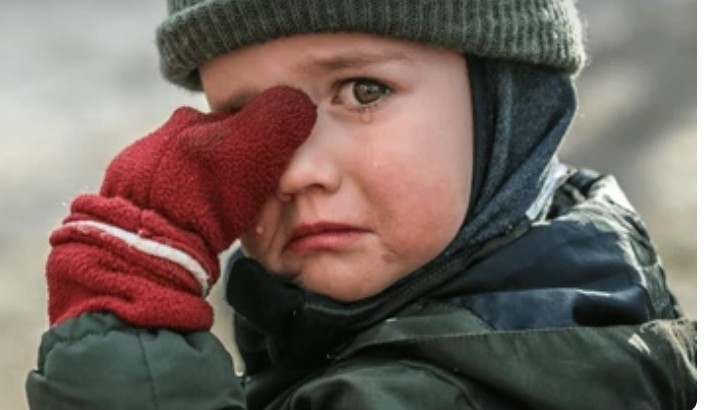
The most truthful story a war can tell isn’t about victory or defeat but about who withstands the interval between the Siren’s cry and Silence, and choosing again and yet again to stay Human within. With an enduring question: What does it mean to remain human in war and hold on to humanity when everything else feels lost?
When the victory’s echoes fade, the true memory lies in the lives you either saved or destroyed, not in the land itself. You can choose to put down your weapons, support peace-building efforts, or advocate for understanding, understanding that no flag surpasses a human heartbeat, and no achievement is more meaningful than choosing love over suffering.
END WARS! … EMBRACE PEACE AND LOVE.
………………


Dear Doctor Anuj,
A well written article filled with emotions. I too recall the 1969/70 war and how terrified we would be by 6 pm after school hours.
Very well explained in your write up.
We all have the memories of that period. Thanks for the appreciation.
regards
Beautifully written
Thanks a lot dear
Tha blog’Between the ‘sirens’ and ‘silence’ – Horror stories of war is a juxtaposition of supremacy in the recent past.. Wars never bring peace and happiness.. Even after ceasefire, skirmishes do take place across the borders..
We have seen the futile efforts made by a common man during onset of war.. Black outs, covering window panes with black paper, precisely carbon paper to prevent radiation of light from bulbs or tube lights, frequent assembly at an underground space or tunnels etc etc. No doubt, these precautions and preventions seem to be fragile and innocuous endeavors, yet are prevalent . With advent of advance technology, nowadays a missile is capable of hitting target as far as thousands of kms. In such a scenario, nothing is safe and secured.Easily, a super power country can demolish and grab a poor and a smaller country in no time.It is seen that apart from crises and scarcity of eatables and daily house hold requirements, jobs, businesses, studies of children and college attending students are the most affected areas… Industries and businesses come to a grinding halt..
It seen that in Russia and Ukerine war and of late, America-Israel and Iran war have inflicted severe blows and calamities to daily life of a common citizen. In Iran and Esrael war, citizens don’t have their own life, they’re seen running from pillar to post to get a safe shelter. A huge number Of lives are lost. In nut shell, a normal life is ruined. An iota of uncertainty looms large amongst the masses. A ruined nation takes years and years to salvage from the humongous losses. Your concluding quote ‘End wars-Embrace peace and love is fully justifiable and apt for the civilisation to move on.. Very well scripted Dr Anuj.
Ashok Bhai we both have witnessed the 1965 and 1971 wars together at BHEL and remember the black outs in our colony. Well the wars have modernized now as you rightly said — now there are missiles that can knock out anyone. We still underwent mock drills in our school BHE Academy…running to trenches.
Thanks a lot for your wonderful views.
regards.