
What is our relevance to society, our families, or to ourselves? This question often plagues us, especially in a world where societal judgment and social media metrics dictate our worth.
It’s not about finding relevance and perfection-imperfection in the people or objects around us—it’s about embarking on a personal journey of self-acceptance. Instead of seeking it from others, we should focus on understanding and embracing our unique place in the world. This journey of self-acceptance breeds self-assurance and confidence and empowers us to define our relevance, inspiring us to take control of our narrative.
Frankly, I’m content with who I am—my work, my passions, and, most importantly, my body. Yet, I’m often bombarded with unsolicited comments and advice from insignificant people – ‘You look overweight; have you gained pounds?’ – ‘You look too thin; are you dieting?’ – ‘You look older; are you unwell?’ These are a few examples of the societal judgments we often face that significantly impact our self-worth.
But these opinions shouldn’t hold any power over us. We should master the art of disregarding things and focusing on what truly matters—empowering ourselves. We may have been thin and handsome in youth, but is there any significance in showing things from the past that are irrelevant today?
What is the relevance of these mundane questions to our lives?
Life progresses smoothly until some irrelevant characters intrude from nowhere. But we should refuse to let them divert us from our self-discovery, self-acceptance, and growth journey. We are free to define our relevance independent of others’ opinions, and this freedom is a powerful tool in the journey of self-acceptance. It liberates us from societal judgment and instils a profound sense of confidence in our worth.
The problem starts when we gauge our relevance by connecting with the mumbo-jumbo societal circuits.
The decision to crack any competitive exam should be one’s forte. Who gives anyone the right to judge our failures and losses? What is their opinion’s relevance in our lives?
Is social media a barometer of one’s success? Maybe, to some extent, it provides a weak platform for individuals to fathom their influence, reach, and overall impact based on likes, shares, comments, and follower counts. It is, however, just one relevant aspect that doesn’t comprehensively reflect real-world influence, importance, or actual worth. The quality of engagement and the context in which relevance is measured are also crucial factors for consideration. While they may temporarily boost, virtual likes and shares do not determine our worth. Our impact in the real world defines our relevance as a whole.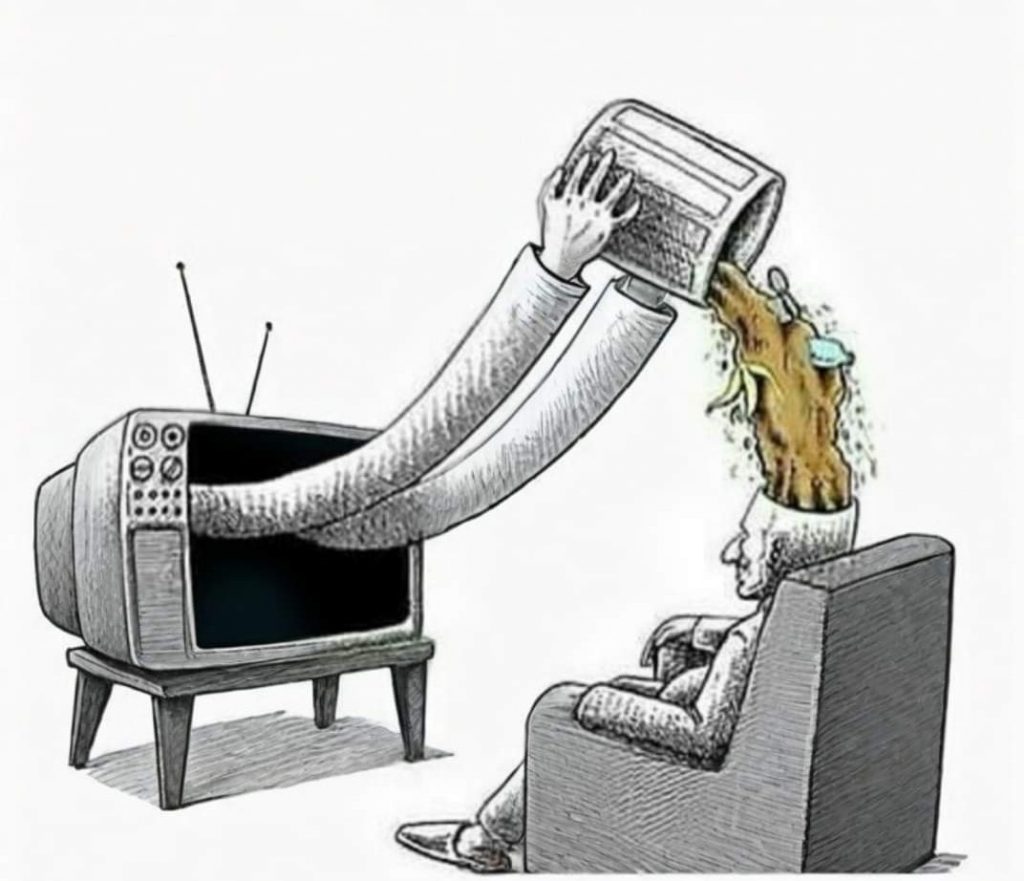
The downside of over-reliance on social media is that it can lead to cyberbullying, trolling, social anxiety, despair and overexposure to age-inappropriate content. These adverse effects can undermine our sense of self-acceptance and empowerment, highlighting the importance of a healthy balance in the use of social media. We must be mindful of our online activities and ensure they contribute positively to our lives.
Every profession, vocation, or relationship carries a tag of relevance. A carpenter, cobbler, or barber adores his vocation for money and caring for his family and is also relevant to society.
A doctor carries a profound relevance, but a combination of factors determines the outcome.
* Professional proficiency—A competent doctor infuses life into a dying patient and pulls him out of a precarious situation.
* Publicity and Feedback—Word-of-mouth publicity is the most significant and relevant way to gain popularity. It may take time, but the outcome can be profound.
* Accomplishments and Honours—Legitimate platforms imparting fellowships and recognition boost a doctor’s image and relevance.
* Certifications and Training—Professionals who visit various reputable national and international medical organisations, institutions, and conferences to gain advanced training and skills add laurels to their portfolios and services.
* Effect and social impact—A good doctor proves his relevance to society and has reflective effects communally and personally.
Besides social obligations and commitments, excellent and essential loving relationships are highly relevant. The wheel of the human mind and heart rotates along the axis of emotions, passions and sensitivities.
They are relevant because of —
* Emotional Support – Emotional firmness and sustenance help individuals survive stress and challenges.
* Physical Health—Better health comes from sympathetic relationships and vice versa. Love takes care of blood pressure, Immune functions, longevity, etc.
* Mental well-being – Positivity in relationships contributes to mental health, reducing the risks of depression, anxiety and loneliness.
* Personal Growth – Love and sensitivity boost personal growth and self-improvement through mutual inspiration and emotional fostering.
* Social Upliftment – Relationships foster a sense of belonging and connectivity, which is vital for happiness and well-being.
* Satisfaction and Contentment – A relevant relationship enhances overall life satisfaction and happiness, providing fulfilment.
Besides the societal barometer, communal pressures and obligations – there is a strong bearing of self-worth and self-appreciation, which is vital and multifaceted. It encompasses several facets of personal growth, self-identity and autonomy. These aspects contribute to our overall self-relevance and understanding of our existence.
“Your relevance to yourself reinforces every characteristic of your life, supervises your actions and fosters overall happiness.”
………………

Leave a comment