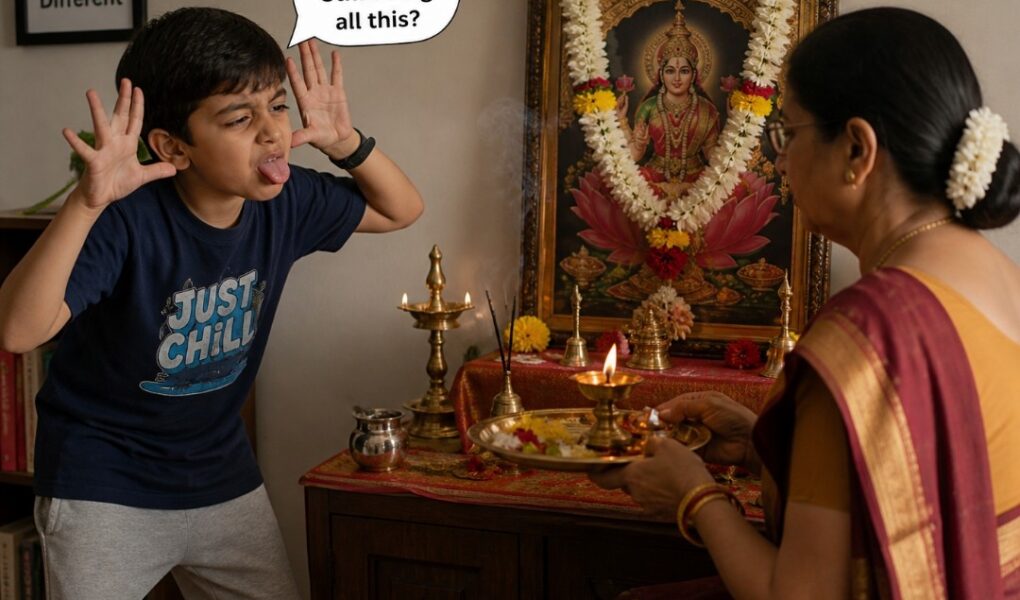
As the world battles with cannons, an internal struggle also unfolds within us—the clash between long-standing traditions and the pull of modernity, which encroaches more aggressively than we might willingly accept.
Traditions and Modernity are not truly in conflict; rather, they coexist and intertwine like old friends who have forgotten to speak softly and kindly to each other.
Traditions should be observed and practised with compassion, commitment, and free will. In Modern Times, scepticism about the authenticity, logic, and significance of traditions prompts some to question their relevance, leading to acceptance under family pressure or outright rejection, thereby transforming societal perceptions.
We are part of the world’s festival traditions. Honestly, every two weeks, a small or large celebration is approaching, requiring ritual and fanaticism to align with traditional family values.
The key question remains: are celebrations becoming more performative, louder, and more competitive due to modern technology and social media, rather than remaining spiritual? There is commercialisation of rituals and traditions. Why must Mr X endure sleepless nights while his neighbour, Mr Y, conducts a ritual on a loudspeaker around the clock? What can be said about traffic jams and chaos when fanatically driven processions are forced onto the roads, bringing the entire system to a standstill?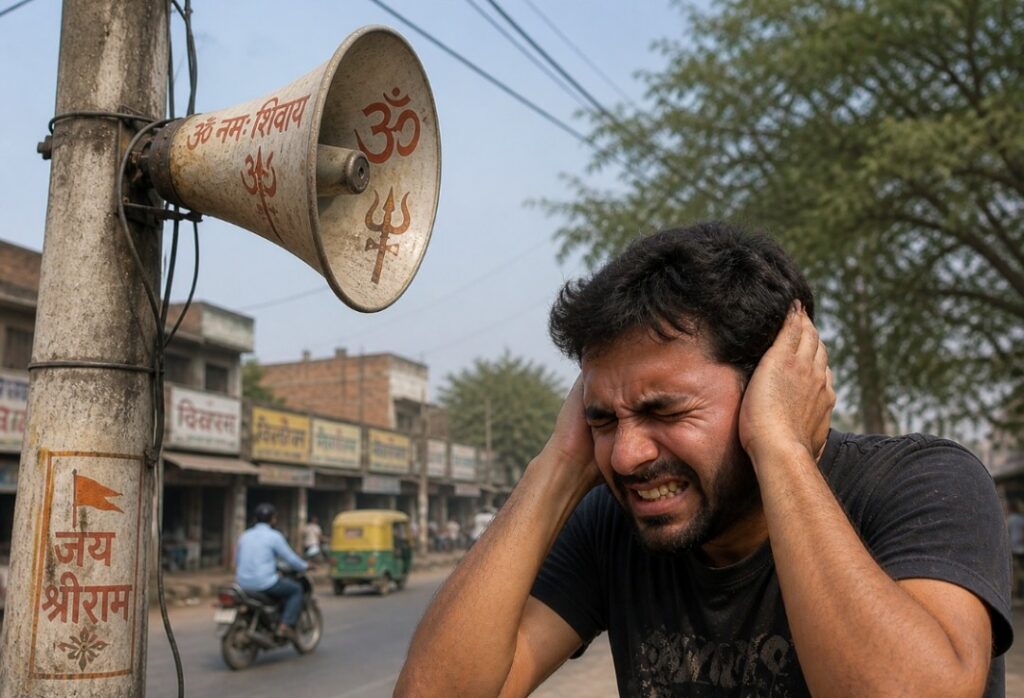
Those days are gone when the whole village enjoyed the traditional Ramlila in the field. Today, modern thinking advocates, ‘Save money for the village’s benefit—please refrain from imposing this enthusiasm on us.’
Traditions are the memories that are repeatedly brought to life. They endure through rituals done without question, giving people a feeling of connection to something older than their brief lives. A rigid tradition that once helped the father maintain his identity can turn into a suppressive confinement for his son, who sees it as forced obedience without understanding its rationale.
During my childhood, we would traditionally visit my grandfather’s house in another town to celebrate Diwali with about 40 relatives. Over the years, this family tradition started to feel burdensome as our commitments and priorities shifted. The younger generation, in particular, disapproved of the time and money spent on it, preferring to stay home and celebrate in their own way. We asked ourselves— ‘Why this ritual? Why this rule? Why should the identity be inherited instead of chosen?’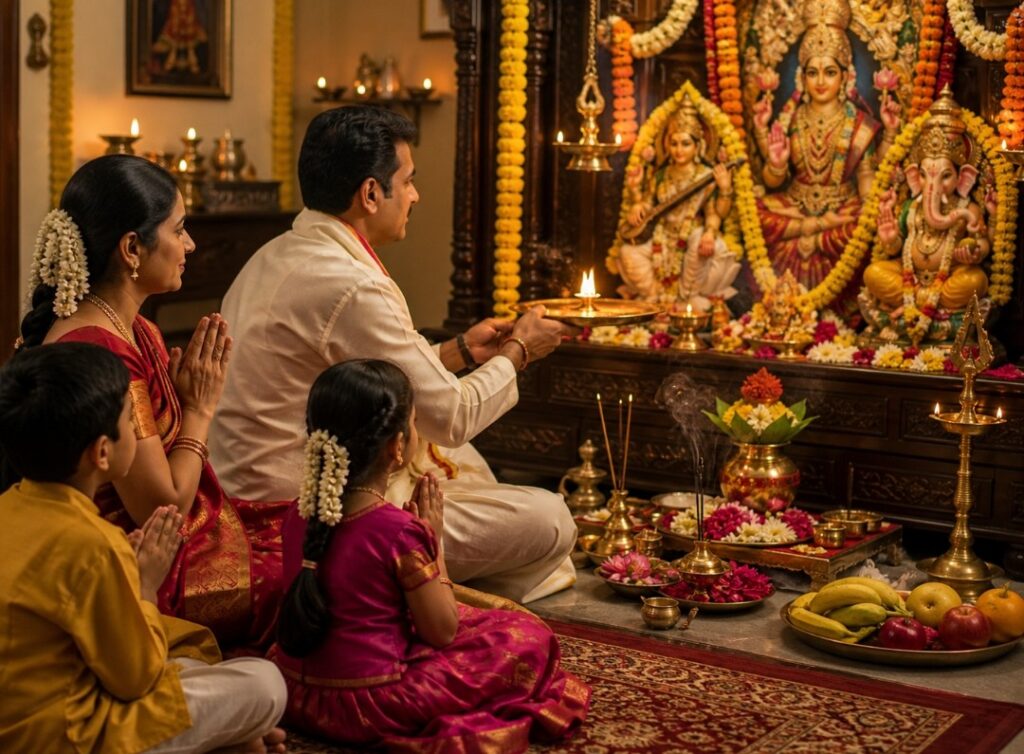
This gave us the freedom and courage to redefine our lives, enabling us to go beyond limitations, roles, and rituals.
My father, who had a long face, was upset by disapproval; eventually, he adapted to modernity and shifting emotions as his whims changed.
From a true perspective, Traditions and Modernity are not in opposition as right or wrong. Rather, they differ in pace and rhythm—one being slow and rooted, the other quick, exploratory, and logical. Both embody a balance between lighting a ‘diya’ and scrolling through an Android screen—between inheriting family names, selecting identities, and discovering a place.
“Traditions should be a foundation, not a cage – Modernity should be a window, not a storm”
Following traditions can be challenging and tiring, yet modernity also has its own expenses. As modernity discards old customs and the rich past, it also abandons the roots that once provided meaning and depth. While freedom may seem like drifting, it can also lead to loneliness. Developing an identity can promote isolation, even when it is empowering.
Our rich traditions and culture have never remained static. Instead, they are subtly reshaped by each generation as they seek to bridge the past and the future. The reality is that questioning traditions often feels like risking family bonds, since the older generation adheres to them devoutly.
Traditions are reflected in faces—those of loved ones and respected figures. The new generation’s mindset is not solely ideological; it is emotional, driven by a fear of letting down those who influenced them. A lingering grief remains over leaving that identity, along with the realisation that they should be accepted without needing to justify themselves—“We don’t want freedom, we want freedom without losing love.”
Then comes the subtle struggle… the real tension doesn’t remain confined to the living rooms. It endures—
* A father who is unable and unwilling to understand his daughter’s choices within the framework of his family traditions.
* A son who feels suffocated and regrets the family expectations has not chosen this path.
* During festivals and traditions that are observed mainly for records and photographs rather than for faith and piety.
Tradition anchors our roots, while modernity challenges our boundaries—life is about balancing the two. We adopt traditions to feel connected, yet we pursue modernity to grow—struggling silently to be both loved and free at the same time.
……………………….