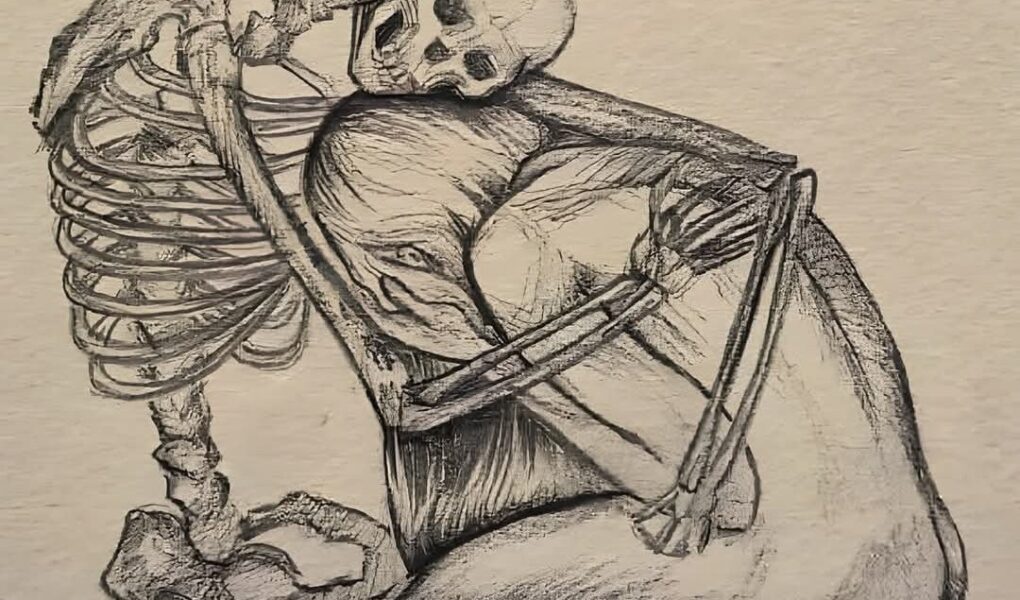
Impermanence refers to a state of not lasting forever or staying for too long. The reality is that everything around us is uncertain and temporary.
For instance, we might find ourselves investing in relationships, jobs, or real estate, thinking they are permanent and certain. However, if we apply the concept of impermanence, we can appreciate them for what they are in the present moment, without clinging to the illusion of permanence.
By embracing the liberating truth of Impermanence, we free ourselves from the burden of permanence. Everything is temporary, and this realisation can lead to greater resilience and a profound sense of peace. Understanding and accepting impermanence can lead to personal growth, as it encourages us to live in the present, appreciate what we have, and adapt to change.
Even in moments of happiness, there’s a lingering awareness that this phase won’t last forever. In times of sadness, there’s a spark of hope that this phase will transform into a happier one, bringing not just growth but a profound transformation.
While sitting in my office surrounded by all possible luxuries and gizmos, I realise that everything is very short-lived, including the bunches of mementoes and awards. Everything will be gone from my shelf, or I will be gone somewhere far away. This kind of fragility doesn’t depress me; it energises me to accept the truth of impermanence. Each cell in my body is not there forever—after seven years, the entire body changes, including my emotions and mindset. This impermanence is evident in the changing seasons, the growth and decay of plants, and the fleeting moments of joy and sorrow in our lives.
My awareness of impermanence has encouraged me to live with contentment and make the best use of everything that concerns me. The more I practice detachment, the less anxiety and uncertainty about the future bother me. Detachment is not merely with physical states and commodities, but also with relationships and deeply seated emotions. It is beneficial and essential to remember that any form of pain, grief and other trials too often change – “This too shall pass”.
Life is an art, worth living because of its constantly changing patterns and situations. With every stroke of the brush, the canvas reveals a new design and painting that is a source of exhilaration and happiness. Imagine being forced to live and survive in a dull, stagnant environment that is haunted by staleness and dirt. The beauty of life lies in its ever-changing nature. Nothing is guaranteed – that’s what makes even the ordinary precious and sacred – like the laughter of a child, the drops of water, the bustling of leaves, and the chirping of birds.
The philosophy of the ‘seven-year itch’ also testifies to the truth behind the desire for a change in relationships. This concept suggests that after seven years, people may feel a need for change or growth in their relationship. This innate need assures growth, evolution and adds meaning to living and loving. Permanence in alliances would collapse and stagnate emotions – love wouldn’t be tender, moments wouldn’t be precious, and there would be a false notion of taking the future for granted.
The insight of “anicca” in Buddhism teaches – ‘Impermanence is the pulse of reality. It is not an enemy to be conquered, but the rhythm that gives life its depth.’ We understand the importance of humility by loosening our grip on possessions, rigid identities, and by embracing suffering and pain.
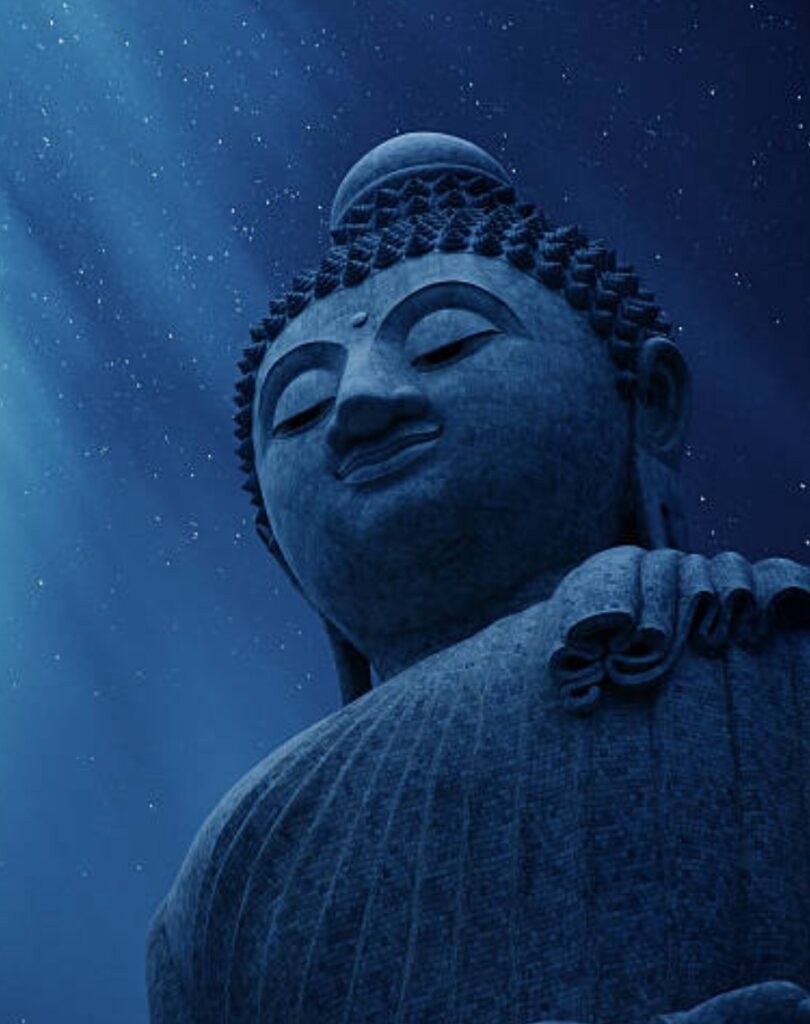
Everything around us is so beautiful and enchanting when seen through the lens of transience. Imagine if the sunrise at Mount Everest, the stunning Aurora Borealis, the signet ring of a total solar eclipse, the rising of a blood-red Moon, or the first bloom of the night-blooming lily were a permanent thing. The charm and charisma would have been lost, and people would have accepted these celestial happenings as a daily soap without even bothering to look. Impermanence makes them glow with unrepeatable uniqueness, inspiring us to appreciate the fleeting beauty in our lives.
Impermanence reshapes life, relationships and love –
*Value addition – A Bone China flower vase is unique because of its fragility and delicacy. A perennial flowering plant often receives less attention than the seasonally blooming football lily. Impermanence adds value to our lives by revealing its importance.
*Instigating transformations – There are new beginnings and emotional commencements. Life provides enough space for renewal and assures growth.
*Goodbye to claustrophobia in relationships – The habit of clinging to alliances and affairs stagnates emotions. Impermanence teaches to –’ get free and set free.’ A realisation eventually comes that there is no point in trying to hold onto something that is already slipping away.
*The pedestal of love – There is value and grace in loving, and a deeper appreciation ensues. Every spoken word touches you profoundly, and each gesture of happiness is precious because nothing is taken for granted.
* The philosophy of ‘Letting go’—Endings constantly affirm new beginnings. Letting go is a concept that encourages us to release our attachment to things, people, or situations, understanding that it is a natural part of our lives. The art of letting go unfurls the flag of contentment and gaiety. Like the autumn leaves, the soil is nourished for a better harvest in the later years. The fragile is not a defect of existence; it is the greatest gift, assuring a more profound reverence for life.
“To exist is to pass – Every moment is born, burns briefly, and dissolves into silence, teaching – Permanence is an illusion.”
*****************



Dear Doctor Anuj,
A very profound message to start my New Year.
What struck me most after reading your beautiful write up is the fact that nothing can be taken for granted eternally.
Appreciation for what is short lived like the daily blooms, twinkling of stars is a significant example mentioned by you.
Excellent 👍👌
Thank you so much for the appreciation.
regards
Yes.. the blog “Impermanence, a fragile-paradox , yet eternal” has been described beautifully and explicitly on the subject.. As the saying goes, nothing is permanent in this materialistic world.. People are seen toiling hard to make both ends meet. If it is confined to upbringing family to discharge the responsibility, it is reasonably fine. However, the desire or so called greed has no boundaries.. There’s a general tendency or a nature of s person to go on earning more and more.. In doing so, an individual becomes so lackiasdical about his well being that health is neglected.. We normally watch around people earning money to make a chain of houses.. This is normally not required.. People are not thinking that, nothing is permanent.. All materialistic objects are temporary.. Yet, people are seen clinging to materialistic world.. Most richest persons not only in India but in the world have left this materialistic world with out beholding a single penny.. As rightly said, we should embark on providing value addition to our earnings, acts, societal responsibility. A person is remembered by his acts and his value addition to the society.. Impermanence teaches us that all is temporary and we should start getting detached to such materialistic items at the fag end our life.. Too good..
Yes Dear, detachment from the materialistic things is the essence of good living. This is a hard thing to practice but brings dividends once achieved.
I learned a new word from your text… LACKADAISICAL … lack of enthusiasm.:)
Thanks for the brilliant write up.